Brazilian Red and White Tarantula Caresheet

Nhandu chromatus
Difficulty Level: Intermediate
Natural History, Description, and Related Species
Nhandu chromatus was described by Günter Schmidt in 2004. If you have been in the hobby over the past few years, you may have also seen them labeled Vitalius chromatus. The species was transferred to Vitalius in 2023, then moved back to Nhandu following a redescription published in 2026. As of writing this care guide, Nhandu chromatus is once again the currently accepted name.
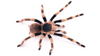
Adults usually reach around 6 to 7 inches in diagonal leg span. Females are heavier-bodied and can live around 10 to 12 years or longer with proper care, while males grow and mature much faster and have considerably shorter lifespans. The dark body, white leg bands, pale carapace, and reddish abdominal hairs make this species easy to recognize once they reach some size. They are sometimes compared with Acanthoscurria geniculata, the Brazilian White Knee, because of the similar dark and white patterning. The reddish hairs and overall coloration of N. chromatus give them a pretty distinct appearance once you are familiar with both.
Like other New World theraphosines, N. chromatus possesses urticating hairs on the abdomen. In my experience, these hairs should not be taken lightly. Some tarantula species barely irritate me at all, but Nhandu hairs can be miserable if you get enough of them on your skin, and you definitely do not want them in your eyes, nose, mouth, or respiratory system.
Recommended Supplies for a Brazilian Red and White Tarantula
Because this species is terrestrial, heavy-bodied, capable of digging, and appreciates access to moisture below the surface, the enclosure should focus on floor space, substrate depth, ventilation, and security.
- Terra Aranea Bioactive Substrate or Terra Aranea Bioactive Substrate Kit which contains many of these elements
- Cork bark round hide or cork flats
- Bio Dude leaf litter
- Bio Dude sphagnum moss
- BioShot for bioactive setups
- Live plants (hardy, low-light) like clippings of pothos and nerve plant (fittonia)
- Temperate springtails if bioactive
- Shallow water dish
- Secure terrestrial enclosure with good ventilation
- Feeding tongs
- Catch cup
Enclosure Size & Setup
Brazilian Red and Whites are terrestrial tarantulas, so floor space and substrate depth are much more important than height. Young spiders may burrow extensively, and adults will often excavate underneath their hide or make adjustments to the enclosure. Because this is also a large, heavy-bodied species, too much empty height can become dangerous. A fall from the side or lid can rupture the abdomen and potentially kill the spider.

Spiderlings
- Enclosure: Small secure acrylic sling enclosure or deli cup-style setup
- Substrate Depth: 2 to 3 inches of Terra Aranea
- Humidity: Keep part of the substrate slightly moist, but not wet
- Decor: Small cork bark piece, leaf litter, sphagnum moss, and a starter burrow
Spiderlings should not be kept in an oversized enclosure. A smaller setup makes it much easier to monitor feeding, hydration, molts, and overall body condition. At this stage, I keep them slightly more humid than adults. Spiderlings lose moisture more quickly, so keep part of the substrate slightly damp while still providing good ventilation. A small cork bark hide pressed into the substrate gives them somewhere to begin digging, although they may completely ignore your suggestion and build their burrow somewhere else. Provide a small water dish once there is enough room to safely fit one in the enclosure.
Juveniles
- Enclosure: Medium terrestrial enclosure
- Substrate Depth: 4 to 6 inches of Terra Aranea
- Ventilation and Humidity: Good airflow with a mostly dry surface and slightly moist lower layers
- Decor: Cork bark hide, leaf litter, sphagnum moss, and a shallow water dish
Juvenile N. chromatus grow quickly and usually have an excellent feeding response. They may spend plenty of time sitting out in the open, but they can also disappear into a burrow for days or weeks. Give them a cork bark hide partially buried in the substrate and enough depth underneath it to excavate. Do not worry if they decide to close the entrance and disappear. That is normal tarantula behavior, especially during premolt.
Adults
- Enclosure: Large terrestrial enclosure with generous floor space, 10-gallon minimum
- Substrate Depth: 6 to 8 inches of Terra Aranea
- Ventilation and Humidity: Good ventilation with a mostly dry surface and slightly moist lower layers
- Decor: Large cork bark hide, leaf litter, sphagnum moss, cuttings from temperate live plants or small plants if desired, and a shallow water dish
A 10-gallon terrestrial enclosure should be considered the bare minimum for most adult females. A larger enclosure gives you more room for deeper substrate, plant cover, a proper hide, and a better moisture gradient. Do not leave a lot of open vertical space between the substrate and lid. These tarantulas can climb the sides of an enclosure when startled or exploring, and their heavy abdomen makes a fall especially dangerous. I like to partially bury a large piece of cork bark so the spider has a secure starter retreat. Many adults will enlarge the area beneath the cork and turn it into their own burrow.
Substrate & Humidity
Nhandu chromatus should have access to moisture, but the enclosure does not need to stay constantly wet.
- Keep the surface mostly dry
- Maintain slightly moist lower layers
- Provide a full water dish at all times
- Overflow the water dish occasionally to hydrate one section
- Keep spiderlings slightly damper than adults
- Use leaf litter and sphagnum moss to maintain small moisture pockets
- Maintain good ventilation
- Avoid wet, stagnant substrate
One of the mistakes people make with Brazilian tarantulas is assuming that Brazil automatically means tropical rainforest conditions. That is not the case with this species. Field observations describe these spiders using deep earthen retreats in areas that can become quite dry. The spider can retreat underground where the soil stays cooler and holds moisture longer even when the surface is dry.
Terra Aranea works well because it lets you recreate that moisture gradient in captivity, with the surface drying out while the deeper substrate holds some moisture. Rather than chasing a specific humidity percentage, focus on giving the tarantula choices by keeping a full water dish and providing enough substrate for them to burrow down into a more humid retreat whenever they need to.
Temperature & Lighting
- Maintain temperatures between 70 and 78°F
- Normal household temperatures are usually fine
- Avoid heat lamps and direct overhead heat
- If supplemental heat is needed, heat the room rather than the enclosure
- LED lighting is only needed for plants, display, or a consistent day/night cycle
Nhandu chromatus does well at normal household temperatures. If you are comfortable in the room, your tarantula is probably comfortable too. Avoid placing heat pads underneath the enclosure. A terrestrial tarantula naturally moves deeper underground to find cooler, more stable conditions. Heating from underneath reverses that gradient. If you need supplemental heat, it is much safer to warm the room. If that is not possible and an enclosure heater is absolutely necessary, place it on the side of the enclosure, regulate it with a thermostat, and make sure the spider can move away from the heat.
Lighting is not required for the tarantula itself. If you are using live plants, a low-output LED or fluorescent plant light on a timer works well. Just provide plenty of cover and shaded areas so the spider can avoid the light when they want to.
Feeding Schedule
Nhandu chromatus has an excellent feeding response, and they grow pretty quickly when young. Feeding should be based on body condition rather than appetite alone. A healthy abdomen should generally be around the same width as the carapace or slightly larger. If the abdomen becomes excessively swollen, cut back on feeding.
Spiderlings
- Frequency: Once or twice weekly
- Prey: Flightless fruit flies, confused flour beetles, small roach nymphs, pinhead crickets, or pre-killed prey pieces
- Post Molt: Wait 24 to 48 hours before feeding
Spiderlings usually grow quickly with consistent feeding. Pre-killed prey is completely fine for tiny slings. If a feeder is close to the size of the spider, I would rather pre-kill it than leave a tiny tarantula alone in a cup with something capable of fighting back.
Juveniles
- Frequency: Every 5 to 10 days
- Prey: Small to medium crickets, roaches, or appropriately sized mealworms
- Guidelines: Prey should be no larger than the tarantula's body length
- Post Molt: Wait 3 to 7 days before feeding
Juveniles are usually aggressive feeders and grow quickly. Remove uneaten prey within 24 hours, especially if the tarantula begins refusing food or showing signs of premolt.
Adults
- Frequency: Every 10 to 14 days, or every 2 to 3 weeks depending on body condition
- Prey: Large crickets, roaches, or other appropriate feeder insects
- Guidelines: Adjust feeding based on abdomen size rather than appetite
- Post Molt: Wait 7 to 14 days before feeding, or until the fangs are fully hardened
Adult N. chromatus are perfectly capable of convincing you they are starving immediately after finishing a meal. Do not fall for it. An overweight terrestrial tarantula carries around a much larger, more fragile abdomen, which makes a fall even more dangerous.
Supplements
Tarantulas do not require vitamin or calcium supplements. Feeder insects should be gut-loaded with fresh fruits and vegetables for at least 24 hours before feeding. Healthy, hydrated feeders provide better nutrition than insects that have been sitting unfed in a container for days.

Behavior & Handling
This is where the intermediate experience level becomes important. Nhandu chromatus is fast, reactive, and easily startled. They are not constantly defensive, but they can move very quickly when disturbed and may kick urticating hairs before you have realized what happened. Most individuals would rather retreat than bite, but they are capable of throwing a threat posture, slapping, or biting if they feel trapped and you continue pushing them.
The urticating hairs are what I pay the most attention to with this species. They can cause intense itching and irritation, especially after working around old substrate, molts, cork bark, or anything else inside an established enclosure. Loose hairs can stay behind in the enclosure long after the spider has stopped kicking them. Use tools during maintenance. Avoid putting your face directly over an open enclosure. Wash your hands and arms after major maintenance, and consider gloves if you are digging through old substrate. Most importantly, keep the hairs away from your eyes.
I do not recommend handling this species. They are fast enough that a handling attempt can get out of control quickly, and a fall is much more dangerous to the tarantula than anything the spider is likely to do to you. Keep a catch cup nearby whenever you are working in the enclosure, especially during rehousing.
Maintenance & Bioactive Considerations
A naturalistic or bioactive enclosure works very well for Nhandu chromatus as long as the setup is built around a mostly dry surface, deeper moisture, and good ventilation.
- Keep the water dish clean and full
- Spot clean waste and boluses as needed
- Remove uneaten prey within 24 hours
- Keep leaf litter topped off
- Maintain slightly moist lower substrate
- Allow most of the surface to dry
- Use temperate springtails in the more humid areas
- Monitor for mold, mites, and stagnant air
- Trim or replace plants when necessary
Springtails are my preferred cleanup crew for this species. They will naturally concentrate around the water dish, damp moss, plant roots, and deeper substrate where there is enough moisture to survive. I generally don’t think isopods are necessary in most tarantula enclosures. If they are used, choose an appropriate species, provide enough leaf litter and moisture to support them, and understand that larger clean-up crews can potentially bother a tarantula while they are molting.
Live plants work well, but choose hardy plants that can tolerate the moisture gradient and occasionally being excavated by a tarantula. Don’t get emotionally attached to your landscaping. Nhandu chromatus will dig up plants, bury moss, move leaf litter, fill the water dish with substrate, or decide your carefully planned cork bark arrangement needs renovation. Build the enclosure for the spider first and worry about how pretty it looks after they are finished remodeling.
Common Issues
- Too Much Moisture: Constantly wet substrate can lead to mold, mites, and unhealthy conditions
- Too Dry for Spiderlings: Young slings dehydrate more quickly and need access to moisture
- Poor Ventilation: Moisture pockets still require good airflow
- Too Much Height: Heavy-bodied terrestrial tarantulas can be badly injured or killed by falls
- Overfeeding: Their strong feeding response makes it easy to create an overweight spider
- Live Prey During Premolt: Crickets and other feeders can injure a molting tarantula
- Urticating Hairs: This species can kick extremely irritating hairs when disturbed
- Underestimating Their Speed: Even a spider sitting calmly in the open can bolt very quickly
- Handling Mistakes: Their size and appearance can make people forget how quickly they can move
Final Thoughts
Nhandu chromatus is one of my favorite large New World terrestrial tarantulas. They grow quickly, eat well, get large, have incredible coloration, and are usually visible enough to make a great display animal. Their husbandry is also straightforward. Give them deep Terra Aranea substrate, a secure cork bark hide, a full water dish, good ventilation, and a moisture gradient that allows the surface to dry while maintaining some moisture underneath. The challenge is working around the spider. They are faster and more reactive than the species I normally recommend to beginners, and those urticating hairs can make a careless maintenance session extremely itchy.
If you already have experience keeping tarantulas and you’re comfortable working with a spider that can move quickly, the Brazilian Red and White is an excellent next step. They are hardy, impressive, entertaining to feed, and active enough to keep things interesting without requiring complicated husbandry. Just keep a catch cup close by.
Written by Richard Stewart of Tarantula Collective 10/10/26
- Josh Halter