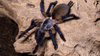
Brazilian White Knee Tarantula Caresheet and Bioactive Habitat Maintenance

The Care and Maintenance of the Brazilian White Knee Tarantula
Acanthoscurria geniculata
Difficulty Level: Beginner

Natural History, Description, and Related Species
Recommended Supplies for a Brazilian White Knee Tarantula
Because this species is large, terrestrial, and appreciates access to moisture, the enclosure should focus on floor space, substrate depth, and environmental stability.
- Terra Aranea Bioactive Substrate
- Cork bark hide or cork flats
- Bio Dude Leaf Litter
- Bio Dude Sphagnum Moss
- Or, you can use The Bio Dude's Terra Aranea Bioactive Kit for appropriately sized enclosures which contains biodegradables, substrate, and BioShot soil inoculant to help plants take hold.
- Cuttings or smaller specimens of live tropical plants or hardy low-light plants
- Tropical springtails to handle any organic waste
- Shallow water dish
- Secure terrestrial enclosure with strong ventilation
- Feeding tongs or tools
Enclosure Size & Setup
Brazilian White Knees are terrestrial tarantulas, so floor space and substrate depth matter much more than height. They may dig, rearrange, sit out in the open, or bulldoze everything.
Spiderlings
- Enclosure: Small secure acrylic enclosure or sling setup
- Substrate Depth: 2 to 3 inches of Terra Aranea
- Humidity: Keep part of the substrate slightly damp, not swampy
- Decor: Small cork bark hide, leaf litter, and a small amount of sphagnum moss
Spiderlings should not be placed into overly large enclosures. They need security, stable moisture, and easy access to prey. A small setup allows you to monitor feeding, hydration, and molts much more easily.
Juveniles
- Enclosure: Medium terrestrial enclosure or appropriately sized acrylic display box
- Substrate Depth: 4 to 6 inches of Terra Aranea
- Ventilation and Humidity: Good airflow with a slightly moist lower layer
- Decor: Cork bark hide, leaf litter, sphagnum moss, and a shallow water dish
Juveniles usually grow quickly when fed well and kept in stable conditions. They may spend more time visible than some slower-growing species, but do not worry if they decide to disappear into a burrow for a while. That is normal tarantula behavior.
Adults
- Enclosure: Large terrestrial enclosure with generous floor space (10 gallon minimum)
- Substrate Depth: 6 to 8 inches of Terra Aranea
- Ventilation and Humidity: Good ventilation with moist lower layers and a drier surface layer
- Decor: Large cork bark hide, leaf litter, sphagnum moss, live plants, and a shallow water dish
Substrate & Humidity
This species does best with a setup that provides stable moisture without becoming wet and stagnant.
- Keep the lower layers of substrate slightly damp
- Allow the surface to dry somewhat between waterings
- Provide a full water dish at all times
- Overflow the water dish occasionally to hydrate one section of substrate
- Use leaf litter and sphagnum moss to help hold pockets of humidity
- Avoid swampy, stagnant conditions
Terra Aranea works well for this species because it holds moisture while still supporting burrows and tunnels. The goal is not to chase a random humidity number. The goal is to provide choices. One area can be a little more humid. Another can be drier. The lower substrate layers can stay damp while the surface has more airflow. That gives the tarantula options instead of forcing them into one flat condition across the entire enclosure.
Temperature & Lighting
- Maintain temperatures between 70 and 78°F
- Normal room temperatures are usually fine
- Avoid heat lamps and direct overhead heat
- If supplemental heat is needed, heat the room or use controlled side/back heat with a thermostat
- Lighting is only needed for plants, display, or a consistent day/night cycle
This species does not need bright lighting. If you are keeping live plants, low-output LED or fluorescent lighting can be used on a timer. Make sure the tarantula has hides, leaf litter, cork bark, and shaded areas so they can avoid direct light when they want to.
Do not place a heat pad under the enclosure. Terrestrial tarantulas often burrow to escape heat, and bottom heat reverses that natural gradient. If they dig down and the enclosure gets warmer instead of cooler, you have created a trap instead of a refuge.
Feeding Schedule

Spiderlings
- Frequency: Once or twice weekly
- Prey: Flightless fruit flies, confused flour beetles, small roach nymphs, pinhead crickets, or pre-killed prey pieces (cricket legs or cut up meal worms)
- Post-molt: Wait 24 to 48 hours before feeding
Spiderlings often grow quickly with steady feeding. Pre-killed prey is completely fine at this size, especially if the sling is nervous or the prey item is close to their body size.
Juveniles
- Frequency: Every 5 to 10 days
- Prey: Small to medium crickets, roaches, or appropriately sized mealworms
- Guidelines: Prey should be no larger than the tarantula’s body length
- Post-molt: Wait 3 to 7 days before feeding
Juveniles are often excellent eaters, but uneaten prey should still be removed within 24 hours. Never leave live feeders roaming in the enclosure if the tarantula is in premolt or has recently molted.
Adults
- Frequency: Every 10 to 14 days, or every 2 to 3 weeks depending on abdomen size
- Prey: Large crickets, roaches, or other appropriate feeder insects
- Guidelines: Adjust feeding based on body condition, not enthusiasm for food
- Post-molt: Wait 7 to 14 days before feeding
Adults can take down large prey, but that does not mean they need oversized feeders. Reasonable prey items are safer, easier to digest, and less likely to injure the tarantula. Avoid the temptation to feed your tarantula vertebrates like mice or feeder lizards, because you needlessly run the risk of your tarantula being hurt.
Supplements
Tarantulas don’t require vitamin or calcium supplements. You should gutload your feeder insects with fresh fruits and vegetables for at least 24 hours before feeding. This is how you make sure your tarantula is getting all the nutrients they need to thrive.
A hungry Acanthoscurria geniculata will probably eat almost anything that moves, but that does not mean all feeders are equal. Healthy, gutloaded feeders make much better meals
Behavior & Handling
Maintenance & Bioactive Considerations
A naturalistic or bioactive setup can work very well for this species, especially because they appreciate moisture, cover, and deep substrate.
- Keep the water dish clean and full
- Spot clean waste and boluses as needed
- Remove uneaten prey within 24 hours
- Keep leaf litter topped off
- Maintain a damp lower substrate layer
- Use springtails to help process organic waste
- Monitor for mold, mites, or stagnant air
Common Issues
- Overfeeding: This species has a huge feeding response and can become overweight if fed too heavily
- Dry Conditions: Bone-dry substrate can lead to dehydration and bad molts
- Poor Ventilation: Moist setups still need airflow to prevent stagnant air and mold
- Too Much Height: Falls are dangerous for heavy-bodied terrestrial tarantulas
- Urticating Hairs: This species can kick irritating hairs when disturbed
- Mistaken Hunger: A strong feeding response does not always mean the spider needs more food
- Plant Destruction: Adults may dig up plants or rearrange the enclosure
Final Thoughts
- Josh Halter