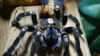
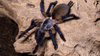
Arizona Blonde Tarantula (Aphonopelma chalcodes) Caresheet

Difficulty Level: Beginner

Natural History, Description, and Related Species
Recommended Supplies for an Arizona Blonde Tarantula:
Because this species is terrestrial and burrowing, the enclosure should emphasize depth, stability, and ventilation.
-
Terra Aranea Bioactive Substrate Kit - Includes Terra Aranea bioactive substrate which is ideal for burrow stability, leaf litter (which should also be strewn over the soil surface to provide coverage), BioShot soil inoculant, and sphagnum moss.
- Arid springtails for clean-up crew.
- Cork bark hides
- Desert plants for surface cover
- Secure terrestrial enclosure with strong ventilation
- Bio Dude Rock Water Dish is a shallow, safe, and easy-to-clean option.
- Solar Grow LED - Ideal lighting for a plant-friendly day/night cycle.
- Feeding Tongs
Enclosure Size & Setup
Arizona Blondes require horizontal floor space and enough substrate depth to allow natural burrowing behavior.
Spiderlings
- Enclosure: Small acrylic display box or sling enclosure
- Substrate Depth: 2 to 3 inches of dry Terra Aranea
- Humidity: Medium; keep substrate slightly damp and moisten one corner regularly
- Decor: Small cork hide, light sphagnum moss
Spiderlings should not be kept in overly large enclosures. You want to provide depth, security, and stability while they are this small and fragile.
Juveniles
- Enclosure: medium-sized terrestrial enclosure
- Substrate Depth: 4 to 6 inches, kept dry on top with a damp bottom layer
- Ventilation and Humidity: Good cross-ventilation, dry substrate on top, slightly damp on the bottom layer
- Decor: Cork hide, water dish, leaf litter, sphagnum moss, and desert plants
Adults
- Enclosure: Large terrestrial enclosure with generous floor space
- Substrate Depth: 6 to 10 inches of dry Terra Aranea
- Ventilation and Humidity: Good cross-ventilation, dry substrate on top, slightly damp on the bottom layer
- Decor: Large cork flats or rounds, leaf litter, and desert plants. You can also add botanicals that create nice microclimates for the springtails.
Substrate & Humidity
- Keep substrate primarily dry
- Provide a consistently full water dish
- Occasionally, pour water into a corner of the enclosure or use a baster or large blunt tip syringe to inject water directly into the base layer of substrate
- Do not saturate the substrate
Temperature & Lighting
- Maintain room temperatures between 68 and 78°F
- No supplemental heat is required if room temperatures stay within range
- Avoid heat lamps, but LED lights or Fluorescent Grow lights are beneficial for plants and help keep the enclosure slightly warmer
- If a heat pad is used, place it on the side of the enclosure, never on the bottom, and ALWAYS use a thermostat
- Lighting is optional and only necessary if keeping live plants
Feeding Schedule
Spiderlings
- Frequency: Once or twice weekly
- Prey: Small crickets, small roach nymphs
- Post Molt: Wait 24 to 48 hours until fangs darken
Juveniles
-
Frequency: Every 7 to 10 days
-
Prey: Appropriately sized crickets or roaches
-
Guidelines:
- If the abdomen is smaller than the widest part of the carapace, feed more
- If the abdomen is wider than the carapace, feed less
-
Post Molt: Wait 3 to 7 days
Adults
- Frequency: Every 10 to 14 days, or as needed. This species is known to refuse food for months or even a year at a time with no health issues. They will eat again when they are hungry
- Prey: Large crickets or medium roaches
- Guidelines: Same abdomen-based feeding principles apply
- Post Molt: Wait 5 to 10 days
Supplements
Behavior & Handling

Maintenance & Bioactive Considerations
- Keep water dish clean and full
- Spot clean waste as needed
- Replace substrate as it compacts or degrades
- Avoid overwatering
- Strong ventilation prevents stagnant air
Common Issues
- Excess Humidity: Leads to stress and potential respiratory issues
- Poor Ventilation: Stagnant air is harmful
- Overfeeding: Can cause mobility issues and molting complications
- Falls: Avoid tall enclosures
Aphonopelma chalcodes is no doubt one of the best beginner tarantulas available and one of my personal favorites. Their calm temperament, desert hardiness, and long lifespan make them an incredibly rewarding species to keep. They do not demand complex humidity control or intensive maintenance. Instead, they reward stable, simple, well-thought-out setups.
With deep, dry Terra Aranea substrate, proper ventilation, and responsible feeding practices, the Arizona Blonde will thrive for decades. For anyone looking to begin their journey into tarantula keeping with a species that is steady, beautiful, and manageable, this is one of the best choices you can make.
Written by Richard from Tarantula Collective – 2/11/2026
- Josh Halter