Emperor Scorpion Care Sheet and Bioactive Maintenance

The Care and Maintenance of the Emperor Scorpion
Pandinus imperator
Difficulty Level: Beginner

Natural History, Description, and Related Species
CITES Status, Wild Collection, and Ethical Sourcing
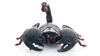
Emperor Scorpion vs. Asian Forest Scorpion
Recommended Supplies for an Emperor Scorpion
Because this species needs humidity and burrowing opportunities, the enclosure should focus on moisture retention, cover, and security.
- Terra Aranea Bioactive Substrate or The Bio Dude Terra Aranea Kit that includes substrate, biodegradables, and soil inoculant
- Cork bark hides
- Bio Dude Leaf Litter
- Bio Dude Sphagnum Moss
- Live tropical plants
- Springtails and isopods
- Shallow water dish
- Secure terrestrial enclosure with good ventilation
- Feeding tongs or tools
Enclosure Size & Setup
Emperor Scorpions are terrestrial and burrowing, so floor space and substrate depth are more important than height.
Scorplings
- Enclosure: Small secure acrylic enclosure or deli cup style setup
- Substrate Depth: 2 to 3 inches of moist Terra Aranea
- Humidity: Keep substrate slightly damp, not swampy
- Decor: Small cork bark hide, leaf litter, light sphagnum moss
Scorplings should not be kept in overly large enclosures. They need security, stable moisture, and easy access to prey.
Juveniles
- Enclosure: Medium terrestrial enclosure
- Substrate Depth: 4 to 6 inches of Terra Aranea
- Ventilation and Humidity: Good airflow with consistently moist substrate
- Decor: Cork bark hide, leaf litter, sphagnum moss, shallow water dish
Juveniles may dig, hide, or spend long periods underground. This is normal, so don’t worry.
Adults
- Enclosure: Large terrestrial enclosure with generous floor space (10gal bare minimum)
- Substrate Depth: 6 to 10 inches of Terra Aranea
- Ventilation and Humidity: Good ventilation with moist lower layers and a slightly drier surface
- Decor: Large cork bark flats or rounds, leaf litter, sphagnum moss, live tropical plants, shallow water dish
Avoid tall, arboreal enclosures. They don’t need climbing height and the vertical space only adds risk of your scorpion getting hurt from falling.
Substrate & Humidity
Emperor Scorpions need a humid setup with substrate that holds moisture and burrows without being saturated.
- Keep substrate consistently damp
- Do not allow the entire enclosure to dry out, provide a gradient
- Provide a full water dish at all times
- Add leaf litter and sphagnum moss to help hold pockets of humidity
- Avoid swampy, stagnant conditions
Terra Aranea works well because it holds moisture and supports burrowing. Leaf litter and sphagnum moss help create a more stable surface layer and give the scorpion more cover.
The goal is damp, not flooded or swampy.
Temperature & Lighting
- Maintain temperatures between 74 and 82°F
- Avoid overheating
- No direct heat lamps are necessary
- If supplemental heat like a heat pad is used, place it on the side of the enclosure and always use a thermostat
- Lighting is only needed for plants or display
Feeding Schedule
Feeding should be based on body condition and appetite.
Scorplings
- Frequency: Once or twice weekly
- Prey: Pinhead crickets, small roach nymphs, or pre-killed prey pieces
- Post Molt: Wait several days before feeding so exoskeleton hardens
Juveniles
- Frequency: Every 5 to 7 days
- Prey: Small crickets or roaches
- Guidelines: Prey should be no larger than the scorpion’s body
Adults
- Frequency: Every 7 to 14 days
- Prey: Large crickets, roaches, or other appropriate feeder insects
- Guidelines: Adjust based on body condition. If the sides look swollen, feed less often
Remove uneaten prey within 24 hours, especially if the scorpion is in premolt or has recently molted.
Supplements
Scorpions do not require vitamin or calcium supplements. Feeder insects should be gutloaded with fresh fruits, vegetables, or a pre-made gutloading supplement for at least 24 hours before feeding.
Behavior & Handling
A Note on Communal Keeping
Maintenance & Bioactive Considerations
A humid bioactive setup works very well for this species.
- Keep water dish clean and full
- Spot clean uneaten prey and waste if needed
- Maintain damp substrate
- Monitor for mold or stagnant air
- Keep leaf litter topped off
- Use springtails to help process waste.
Because Emperor Scorpions need moisture, they are a much better candidate for bioactive setups than most desert scorpions. The key is to use tropical plants that do not require intense lights and provide hides so your scorpion doesn’t feel exposed and vulnerable.
Common Issues
- Dry Substrate: Can lead to dehydration, collapsed burrows and stress
- Poor Ventilation: Can create stagnant conditions and mold
- Overly Wet Substrate: Can cause unhealthy conditions, bacteria growth, mites, etc.
- Misidentification: Asian Forest Scorpions are often sold or mistaken for Emperor Scorpions
- Wild-Caught Stress: Field-collected animals may carry parasites or struggle to adjust
Final Thoughts
Written by Richard Stewart of The Tarantula Collective 5/10/2026
- Josh Halter