Peraccae Isopod Care Sheet

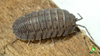
Armadillidium peraccae
Peraccae Isopod, Bumpy Gray Isopod, Peraccae Pill Bug
Difficulty level: Intermediate
Last updated 5/22/26 by Josh Halter
Endemic To / Natural Range
Armadillidium peraccae is native to Mediterranean regions of Greece and Italy where it naturally inhabits temperate forests, rocky scrublands, and dry woodland environments rich in decaying organic matter. In the wild, this species is commonly found beneath bark, stones, leaf litter, and decomposing wood where small pockets of humidity remain available. Their hardy nature and preference for semi-arid conditions make them well suited for temperate and semi-arid bioactive habitats.
Temperature
- Ideal Range: 72–80°F
- Tolerable Range: 65–85°F
Humidity
- Ideal Humidity: 40–60%
- Prefers a moisture gradient with damp retreat zones and moderate ventilation.
- While Armadillidium peraccae tolerates drier conditions well, access to humid microclimates remains important for healthy molting and long-term colony success.
Favorite Foods
Primary food sources: Decaying hardwood, leaf litter and decomposing wood, with oak and magnolia leaves being especially beneficial.
Favorite supplemental foods: squash, zucchini, cucumber, carrots, peas, sweet potato, and leafy greens.
Preferred protein sources: Bug Grub, Repashy Morning Wood, Repashy Bug Burger, dried shrimp or krill, fish flakes, and Arcadia Custodian Fuel. Consistent calcium availability through cuttlebone, eggshells, or SoilCal Plus helps support healthy molting and colony development.
Favorite Woods & Botanicals
Cork bark flats, hardwood bark, magnolia leaves, lotus pods, palm leaves, seed pods, and cholla wood provide shelter, grazing surfaces, and supplemental food sources. This species especially appreciates layered cork bark hides and clustered humid microhabitats within a bioactive terrarium or vivarium.
Best Substrate
For optimal health and long-term colony success, house this species on The Bio Dude's Terra Isopoda Substrate layered over Terra Sahara, Terra Firma, Terra Fauna, or Terra Aranea depending on enclosure type. This nutrient-rich bioactive substrate provides proper drainage, microbial activity, aeration, and long-term food availability ideal for temperate and semi-arid bioactive habitats.
How to Help Them Thrive in a Bioactive Habitat
To help Armadillidium peraccae thrive in a bioactive habitat, provide abundant leaf litter coverage, cork bark hides, varied botanicals, and a stable moisture gradient throughout the terrarium or vivarium. This species benefits from moderate ventilation, low disturbance, and access to damp retreat zones within the bioactive substrate while still maintaining relatively dry surface conditions. Because Armadillidium peraccae tends to congregate together and forage less aggressively than some larger Porcellio species, placing supplemental foods near colony gathering areas can help support healthy growth and reproduction. While they function as effective detritivores and clean-up crew members within bioactive habitats, they are also widely appreciated as display bioactive isopods due to their textured appearance and calm behavior. Keepers should be aware that this species may occasionally nibble on soft-bodied live plants within bioactive terrariums. When paired with Bio Dude substrates and botanicals, Armadillidium peraccae develops into a hardy and visually striking bioactive isopod colony ideal for temperate and semi-arid vivariums. The Bio Dude is happy to offer Isopod Habitat Kits and Isopod Culturing Kits to help your bioactive isopods establish and thrive!

- Josh Halter