Panda King Isopod Care Sheet

Cubaris sp. Panda king isopods
Difficulty level: Intermediate
Last updated 1/1/26 by Josh Halter
Endemic To / Natural Range
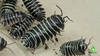
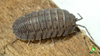
Cubaris sp. “Panda King” is a tropical isopod species associated with limestone cave systems and humid forest environments in Southeast Asia, particularly Vietnam. In the wild, these detritivores inhabit moist microclimates beneath decomposing wood, leaf litter, rocks, and cave debris where humidity remains stable year-round. Their striking black-and-white coloration and tendency to gather in groups beneath cork bark and humid hides make them one of the most recognizable display species in the isopod hobby.

Ideal Temperatures
- Ideal Range: 72–80°F
- Tolerable Range: 68–84°F
Humidity Requirements
- Ideal Humidity: 75–95%
- Prefers a consistently humid environment with damp retreat zones, a moisture gradient, and low to moderate ventilation with steady airflow.
- While this species enjoys high humidity, stagnant or waterlogged conditions should still be avoided to support healthy molting and long-term colony success.
Favorite Foods
- Primary food sources: Decaying hardwood, leaf litter, and decomposing wood, with oak and magnolia leaves being especially beneficial.
- Favorite supplemental foods: squash, zucchini, cucumber, carrots, peas, sweet potato, and other soft vegetables
- Preferred protein sources: Bug Grub, Repashy Morning Wood, Repashy Bug Burger, dried shrimp or krill, fish flakes, and Arcadia Custodian Fuel. Consistent calcium availability through cuttlebone, eggshells, or SoilCal Plus helps support healthy molting and colony development
Favorite Woods & Botanicals
- Cork bark flats, hardwood bark, magnolia leaves, lotus pods and other seed pods, sphagnum moss, and cholla wood provide not only shelter but food sources, and create moisture-retaining microclimates.
- Panda Kings especially appreciate layered cork bark hides and humid botanicals that allow colonies to gather beneath protected surfaces within a bioactive terrarium or vivarium.
Best Substrate
For optimal health and long-term colony success, house this species on The Bio Dude's Terra Isopoda substrate layered over Terra Fauna or Terra Flora depending on enclosure type. This nutrient-rich bioactive substrate provides proper moisture retention, microbial activity, aeration, and long-term food availability ideal for tropical bioactive habitats.
How to Help Them Thrive in a Bioactive Habitat
To help Cubaris sp. Panda King isopods thrive in a bioactive habitat, provide abundant leaf litter coverage, layered cork bark hides, soft botanicals, and consistently humid retreat zones throughout the terrarium or vivarium. This species benefits from stable isopod humidity requirements, low disturbance, moderate ventilation, and access to moisture-retaining areas within the bioactive substrate. While Panda Kings can be somewhat slow to establish initially, healthy colonies often reproduce steadily once settled into stable bioactive conditions. Their unique appearance and group-oriented behavior make them both effective clean-up crew members for tropical bioactive terrariums and vivariums and attractive display isopods. Because their reproduction rate is slower than many common clean-up crew species, allowing colonies time to establish before introducing heavy predators is highly recommended. When paired with Bio Dude substrates and botanicals, Panda Kings develop into hardy, visually striking additions to tropical bioactive habitats. The Bio Dude is happy to offer Isopod Habitat Kits and Isopod Culturing Kits to help your bioactive isopods establish and thrive!

- Josh Halter