Where Should You Get Your Next Pet Reptile, Amphibian, or Invert?


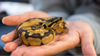
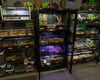
Chain pet stores often offer attractive price points and a consistent selection of popular pets such as bearded dragons, leopard geckos, and ball pythons. One advantage is the ability to see the animal in person and, in some cases, handle the individual you are interested in. A tell tale sign of the condition of the animal is also looking at the environment. Look at the condition of the store, the condition of their feeders and condition of their habitats. If any of them are sub par, its recommended to do your due diligence and shop elsewhere.
At The Bio Dude, we enjoy helping customers connect with their next potential bioactive buddy while making sure they have the tools and knowledge needed for long-term success. Our goal is to set keepers up for healthy animals, proper husbandry, and sustainable setups from day one.
If you choose to purchase an animal from a local pet store, be prepared to ask the staff questions about its background, care, and health, such as:
- Is it captive-bred? If it's wild-caught, how long has it been under captive management?
- What pathogens has this animal been tested for and cleared from having? You at least want confirmation that the animal isn't infected with a common malady for that species. For example, a store should test their bearded dragons for the particular infectious diseases they tend to have like yellow fungus. White's tree frogs should always be swabbed for chytrid and ranavirus. These measures offer peace of mind for you. It takes on individual to wipe out an entire collection.
- What does the animal's diet currently look like? Knowing how the animal is eating/if it has a strong feeding response, is an indicator of overall health. Does the store have a feeding log? It is our opinion at The Bio Dude that snakes should be weaned off live rodents or prey items. The issue with feeding live is that the mice or rats may fight back and cause injury to the snake. We recognize that certain species of snakes can be picky and need live.
- What conditions are the animal kept in at the store? Did it have UVB light or measures to prevent Metabolic Bone Disease (MBD)?

Online (Online marketplaces, vendor websites)
Talk about convenience. If you are looking for a specific morph or a more obscure species, searching online is often the best option. You can read other customers’ reviews, message the vendor directly with questions, and place an order with a few clicks. Before you buy, it’s important to know what to look for in an online listing and vendors in general.
Here are some green flags:
- Captive-bred animals: This is the ideal choice. See our article breaking down animal sourcing designations and why captive-bred is best.
- Detailed animal information: The listing includes hatch date, testing for common infectious diseases, lineage, weight or size, and current diet.
- Reasonable price: The animal is listed at a fair value, not a “too-good-to-be-true” price.
- Good facility conditions: When you research the vendor’s facility, the animals appear well cared for. Avoid vendors with overcrowded conditions or poor husbandry.
- Vendor specialization: The vendor focuses on a small set of species. This often means they have deep knowledge and dedicated practices for those animals. For example, a vendor might specialize in dart frogs, chuckwallas and uromastyx, micro geckos, or hognose snakes. The Bio Dude specializes in frogs, Australian pythons, and reptiles that aren't easily obtainable in the captive-bred form.
- No unethical morphs: The vendor does not breed morphs known to cause neurological or genetic issues. Watch out for spider morph ball pythons or locality mixing leading to questionable hybrids.
Reptile Shows
By far, the best deals you will find on animals are at trade shows and conventions. From personal experience, you can find snakes valued at $800 for around $400 on the right day at a convention. This also comes at a price...a price most consumers will not see until its too late and the money is already spent.
One downside to shows is that having so many animals in a small space increases the risk of transmissible disease spread. It can be exciting to interact with species you might not otherwise encounter, but handling many different animals can spread illnesses between them. Another consideration is the temptation to make an impulse purchase without doing proper vendor research. You may feel a strong connection to an animal at a show and decide to bring it home with the intention of setting up its enclosure later. But you always need to consider what is best for the animal and what is realistic based on your resources before you act on your own excitement. Please always ask yourself. Can I afford this animal AND everything it needs to thrive? Can I keep this tortoise when it grows to 120 lbs?

A reality of the herpetology industry is that there are unwanted animals because some people take on more than they can realistically handle. They may start with good intentions, but a large collection is not always sustainable long-term. That is why it is important to avoid impulse purchases and to make sure you are capable of handling the cost of unexpected vet visits before bringing an animal home. When people do not follow that advice, the result is often disabled or chronically ill animals in need of new homes.
Even if you make a smart choice at the beginning, life can still change unexpectedly and force you to rehome an animal. It happens. It is natural to want to help abandoned animals, and there are many social media groups dedicated to rehoming pets. If you have to rehome a pet, find a rescue or someone you know decently well who can be held accountable for the animal. If you rehome to a stranger, a fee should be used to weed out anyone who isn't serious about providing good care. These are reptile rescues in the Houston area: Halfway Herpetology, Reptile and Small Animal Rescue of Texas, and Eden Animal Sanctuary. Note: abandoning pets is a criminal offense in Texas!
If you have the resources to provide all the necessary vet care, testing, and treatment for a rescue animal, then by all means adopt. Just keep in mind that this route is often the most demanding, because many rescues have not been tested for common pathogens and may come with extra responsibilities from previous care mistakes.
The Bottom Line
Avoid impulse purchases, take time to explore different vendors, and choose captive-bred animals whenever possible. Be prepared to invest in proper housing and veterinary care from the start. If you already keep animals, always have a quarantine setup ready. You never know when a health issue may arise or when temporary housing may be needed, such as during an evacuation caused by a natural disaster.
One of the most important steps you can take toward a long, healthy, and thriving pet is to carefully consider where your animal comes from and to support ethical vendors.
- Josh Halter