Wichurae Moss Care Sheet

Wichurae Moss Care Guide for Bioactive Terrariums
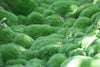
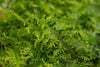
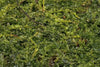
Wichurae Moss, most often sold under the scientific name Fissidens wichurae, is a fine-textured, low-growing moss that works beautifully in bioactive terrariums, vivariums, paludariums, and naturalistic enclosures. It forms dense green patches and stays relatively compact, making it a great option for hobbyists who want a clean, lush moss layer without a tall or unruly growth habits.
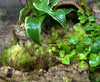
In planted enclosures, Wichurae Moss is especially useful for adding a natural forest-floor look to shaded zones, moisture pockets, and hardscape edges. Wichurae moss performs best when moisture, airflow, and light are balanced rather than extreme. Its smaller scale makes it a strong choice for foreground placement, seams between rocks, and areas where you want a soft, finished look without bulky clumps.

Ideal Uses in Bioactive Terrariums
Wichurae Moss is best suited for:
-
Tropical terrariums and vivariums
-
Dart frog, gecko, and small amphibian setups
-
Moist microclimates around cork, stone, and wood
-
Foreground accents in naturalistic enclosures
-
Bioactive builds where humidity retention matters
Because it stays short and dense, it works well in display-focused enclosures where texture and scale are important. It can also help create shelter and moisture stability for beneficial microfauna living near the substrate surface.
Light Requirements
Wichurae Moss does best in low to moderate indirect light. A quality full-spectrum LED grow light on a regular day cycle is ideal for maintaining good color and steady growth. As with other terrarium mosses, strong direct light or excessive exposure to heat lamps can dry the moss too quickly and lead to fading or browning.
Humidity and Watering
This moss prefers high humidity and a consistently moist environment. It should not be allowed to stay soggy for long periods, but it also does not appreciate repeated dry-outs. One terrarium care source specifically notes that Wichurae Moss likes to stay moist, but not overly wet, and may discolor if allowed to dry out too often.
For best results:
-
Mist with RO, distilled, or dechlorinated water
-
Keep humidity elevated, especially in enclosed or partially enclosed terrariums
-
Avoid standing water directly around the moss for extended periods
-
Use a drainage layer in wetter builds to prevent stagnation
Substrate and Placement
Wichurae Moss performs best when attached or pressed onto moisture-retentive surfaces such as bioactive soil, sphagnum-backed pockets, wood, stone, or textured background elements. Since it stays compact, it is excellent for filling in transitions between hardscape pieces and softening the look of exposed substrate.
Growth and Maintenance
Wichurae Moss is typically a slow to moderate grower, so patience is important. It tends to look best when left mostly undisturbed. Trim away any dead or discolored portions as needed, keep debris off the surface, and avoid excessive handling. If sections begin to yellow or brown, check for three common issues first: too much direct light, inconsistent moisture, or poor airflow.
Common Issues
Browning or yellowing: Usually caused by drying out too often, overly intense light, or mineral-heavy water.
Mold or dieback: Often linked to stagnant air and excessive saturation. Increase airflow slightly and remove damaged sections.
Slow establishment: Normal for compact mosses. Stable humidity and gentle light usually improve growth over time.
Final Thoughts
If you want a moss that stays low, refined, and terrarium-friendly, Wichurae Moss is a strong choice for bioactive vivariums, tropical terrariums, and naturalistic reptile or amphibian enclosures. Its compact growth, soft texture, and preference for humid conditions make it especially useful in smaller display builds or polished foreground plantings. Keep it moist, shaded, and stable, and it can become one of the most attractive finishing touches in a living enclosure.
- Josh Halter