How to Feed Spiderlings and Scorplings

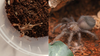
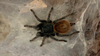
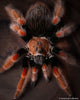
When people hear the word “spiderling,” they often just think “small tarantula.” But this is a significant stage from a biological perspective.
A spiderling is a young tarantula that has recently left the egg sac and begun feeding independently. At this stage, they are still undergoing frequent molts, their exoskeleton is thinner, their venom yield is smaller, they can dehydrate quickly, and their energy reserves are limited compared to juveniles and adults.
Scorplings are the scorpion equivalent. After riding on their mother’s back through their first molt, they disperse and begin hunting on their own. Like spiderlings, they are small, vulnerable, and still developing the strength and coordination of mature specimens.
What separates spiderlings and scorplings from juveniles is not just size. It is the growth rate, molting frequency, vulnerability and the margin for error. Missed meals, dehydration, or oversized prey affect them much faster and more dramatically at this stage. That is why feeding slings requires a little more attention.

How Often Should You Feed Spiderlings and Scorplings?
Slings should generally be offered food once or twice per week.
They are growing rapidly, molting frequently, and building body mass. Consistent feeding supports steady growth and clean molts. That said, feeding should not be based strictly on a calendar. Body condition matters more.
For tarantulas, if the abdomen is smaller than the carapace, increase feeding frequency. If the abdomen becomes significantly larger than the carapace, reduce feeding. Overfeeding can lead to obesity and increase the risk of injury from falls or molting complications.
Scorplings should have a plump but not distended mesosoma, AKA the back part of their main body. If they look thin, feed more frequently. If they appear overly swollen, scale back the feeding amount or frequency.
Consistency and moderation are key to healthy and well-fed slings.
What Should You Feed Them?
Prey size is critical and should be no larger than the body length of the spiderling or scorpling. That means the size of the abdomen and carapace, not the legs. When in doubt, go smaller, never larger.
Some of the best feeder options include:
- Pre-killed or freshly crushed small crickets
- Large cricket legs for very small slings
- Flightless fruit flies
- Confused flour beetles
- Flour beetle larvae
- Small roach nymphs
- Chopped mealworms or superworms
Very small spiderlings are often scavengers at this stage. They will readily feed on freshly killed prey. In fact, pre-killed prey is often safer because it eliminates the risk of the feeder injuring a soft-bodied sling. Confused flour beetles are a great option because even if the sling ignores the beetle, it will often take the larvae. That gives you two feeding opportunities from the same culture.
For extremely small slings, fruit flies work well. A simple trick is to place the fruit fly culture in the refrigerator for about 10 to 15 minutes before feeding. Check every 5 minutes. Once the flies appear lethargic and barely moving, remove them and work quickly. They will become active again as they warm up, and you don't want them jumping all over the place.
Tiny tongs or feeding tweezers are extremely helpful when offering pinhead crickets, larvae, or small worm segments. I use the tongs mainly for moving the prey into the enclosure, but I do not attempt to tong feed my slings as they are typically pretty shy at this size. Placing the prey on their webbing or near the entrance of their burrows is more than enough movement to get their attention, and they will usually come out to feed once they feel the coast is clear.
How to Prepare and Offer Prey
If you are using larger prey like crickets or mealworms, you can chop them into appropriately sized sections. However, always crush the head first before cutting it up. This is both humane and practical. It prevents unnecessary suffering and eliminates the risk of the prey item remaining active.
Never leave live prey in with a spiderling or scorpling for extended periods. Uneaten prey should be removed within 24 hours at most. Live feeders can injure soft-bodied animals, especially if they are approaching a molt. Uneaten prey can also quickly rot, causing issues like mold and mites, so it is much easier and safer to keep their enclosures clean.
Premolt and Post-Molt Feeding
At this stage, molting happens fairly frequently. When a sling enters premolt, they may refuse food for days, weeks, or even months, depending on the species and their size.
Some common visual signs of premolt in spiderlings include:
- Darkening of the abdomen
- Dull or faded coloration
- Reduced activity
- Sealing off the burrow entrance
- Refusal of food
Scorplings may become less active, refuse prey, and their coloration may appear slightly dull before molting. You never want to attempt to force-feed your sling during premolt. If they are showing no interest in food, do not worry. Just remove the prey and try again in a week.
After a molt, you should wait 24 to 48 hours before offering food to spiderlings. For scorplings, waiting several days is safer, depending on size. The exoskeleton, fangs, and stinger must fully harden before they can safely subdue prey. Feeding them too soon can result in injury.
Nutrition and Gutloading
What you feed your feeders matters. Spiderlings and scorplings receive all of their nutrition from their prey. That means gutloading feeder insects with fresh fruits and vegetables at least 24 hours before offering them improves the overall nutritional profile of the meal. Or, you can use a comprehensive supplement to gutload, like The Bio Dude's Bug Grub.
Crickets and roaches that have been fed dark leafy greens, carrots, squash, or fruit provide better hydration and micronutrients than insects kept on dry grain alone. Healthy prey produces healthy predators, and growing slings need their vitamins and nutrients, not just the protein!
Final Thoughts
Feeding spiderlings and scorplings is not hard, but it does require you to slow down and pay attention to what you are doing, even more so than with larger specimens.
The biggest risks at this stage are not venom-related; they are mostly human reaction-related. Slings can be very fast and very tiny. A startled sling can bolt out of a tiny enclosure in a split second, and because they are so small, they can disappear instantly into carpet, clothing, or a crack in the floor. That moment is where people panic, and panic is what causes accidents.
If a sling bolts while you are feeding, stay calm. Do not slam the lid. Do not fling your hands. Do not react as if something dangerous just happened. Most spiderlings and scorplings at this size inject very little venom, even if they were to bite or sting. The real danger is that you accidentally injure them by snapping a lid shut on a leg or crushing them while trying to move too fast.
Move slowly and be intentional. Take a second to think before you act. Use tools when you need them. If possible, keep the enclosure low to the ground while feeding so that if a sling decides to make a run for it, there is less distance to fall. Small, thoughtful preparations like that make a big difference.
Feeding slings becomes much easier when you are organized ahead of time. Have your prey ready before you open the lid. Have your tongs and a catch cup within reach. Know where the lid will rest so you are not scrambling while the enclosure is open. When you approach it calmly and with a plan, you stay in control of the situation instead of reacting to it.
Yes, there are small inconveniences at this stage. You have to deal with tiny prey, and you will sometimes have to hunt down a fruit fly that escaped. You might even have a sling refuse food for weeks in premolt and make you question everything. But raising a tarantula or scorpion from a sling is one of the most rewarding experiences in this hobby. You get to watch every molt. Every growth stage. Every behavioral change.
That journey starts with calm, intentional feeding.
When you approach it prepared and level-headed, it is simple. And the long-term reward of watching that tiny sling grow into a mature tarantula or scorpion far outweighs any minor stress feeding them as slings might bring.
Written by Richard from Tarantula Collective – 3/11/2026
- Josh Halter