Helpful Husbandry & Reptile FAQS

When Are You Ready to Keep Old World Tarantulas?
Thinking about your first Old World tarantula? Being ready isn’t about how many spiders you've owned. It’s about your habits, preparation, and understanding of tarantula behavior. Learn what separates confidence from true preparedness, how enclosure design reduces risk, which species can build useful skills, and how to choose your first Old World tarantula responsibly.
- Josh Halter

How to Feed Spiderlings and Scorplings
Spiderlings and scorplings are more than just tiny versions of adult tarantulas and scorpions. This early life stage is marked by rapid growth, frequent molting, and increased vulnerability to dehydration, injury, and feeding mistakes. Because of this, proper feeding plays a critical role in their development. This guide breaks down how often to feed, what prey to use, and how to safely offer food while avoiding common risks. With the right approach, raising slings becomes simple, controlled, and incredibly rewarding as you watch them grow into healthy, thriving adults.
- Josh Halter

How to Sex Male vs. Female Tarantulas
Sexing a tarantula is one of the first big challenges new keepers face, and it’s often surrounded by confusion, myths, and guesswork. Because tarantulas don’t have obvious external sex traits and juveniles look nearly identical, many assumptions are made long before the spider is actually mature. This guide breaks down what sexing really means, why it matters, and how to do it correctly, helping you move past speculation and learn the most accurate, biology-based methods used by experienced keepers.
- Josh Halter
5 Habits for a Successful Tarantula Keeper
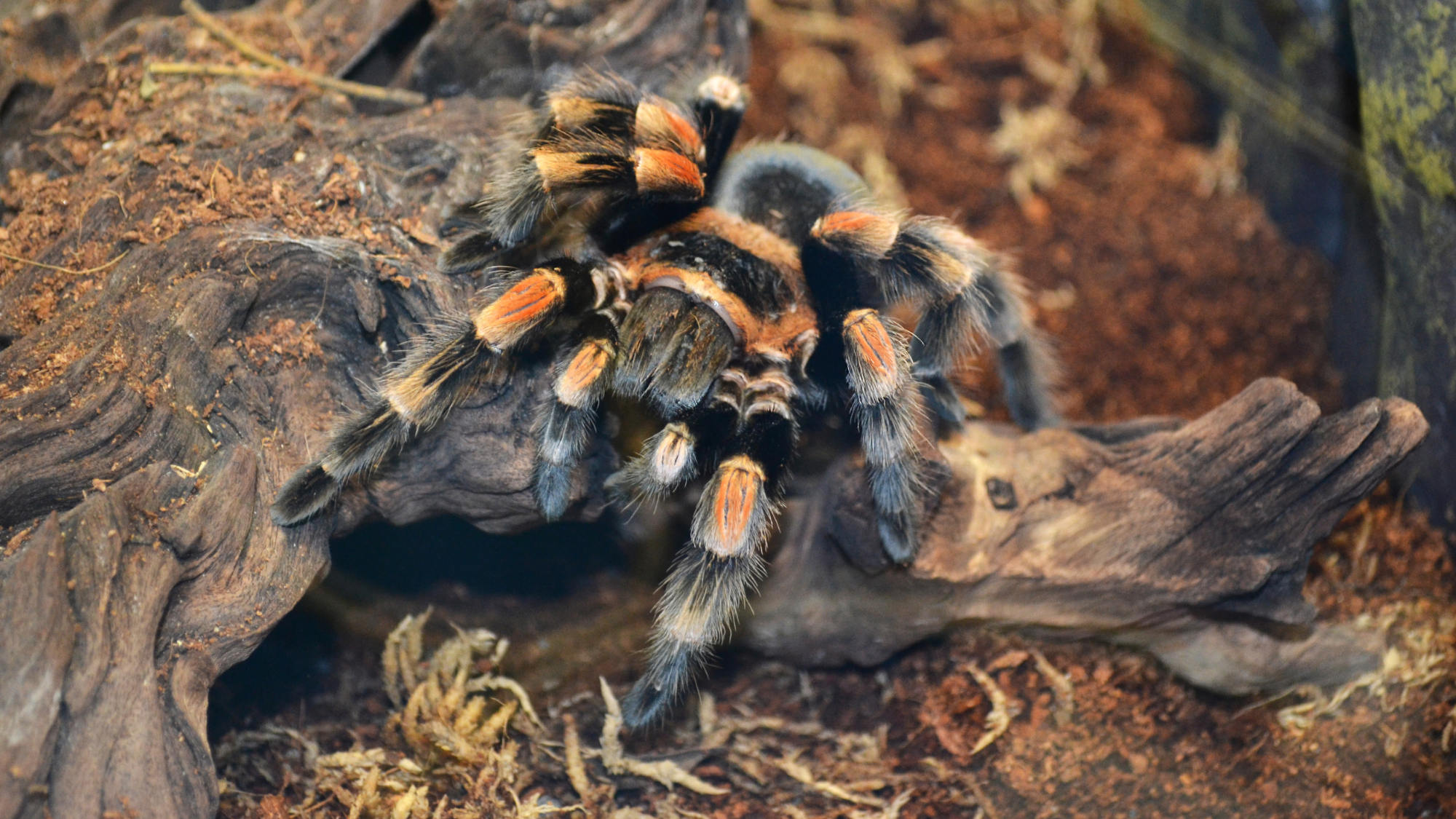
Whether you’re new to the hobby or have been caring for tarantulas for years, developing good routines ensures your spiders thrive while keeping your experience stress-free. In this article, we’ll cover five essential habits that every responsible tarantula keeper should adopt, from tracking feedings and molts to breeding feeders, sticking to a schedule, knowing your limits, and continuing to learn. By incorporating these practices, you’ll set yourself up for a rewarding and sustainable journey in tarantula care.
- Josh Halter

What You Need to Know About Urticating Hairs
New World tarantulas, found in the Americas, possess urticating hairs—tiny, irritating setae they kick off as a defense against predators. Currently, there are 7 identified different types of urticating hairs, which we'll break down for you in this piece. We'll also discuss what to do if you come into contact with them.
- Josh Halter