Arachnid Caresheets

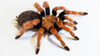
The Care and Maintenance of the Mexican Fireleg Tarantula
The Mexican Fireleg Tarantula (Brachypelma boehmei) is a visually striking, terrestrial species native to Guerrero, Mexico. Known for its bright orange legs and somewhat defensive temperament, it’s got a bold appearance and tends to remain visible in the enclosure. With proper care including a spacious, well-ventilated enclosure, bioactive substrate, and a varied feeding schedule, females can live up to 25 years. This guide covers care, habitat setup, temperament, and feeding.
- Josh Halter

The Care and Maintenance of the Curly Hair Tarantula
The Curly Hair Tarantula (Tliltocatl albopilosus) is a hardy, beginner-friendly species known for its calm nature and fluffy appearance. This guide covers bioactive enclosure setups, temperature and humidity requirements, feeding schedules, and key tips.
- Josh Halter
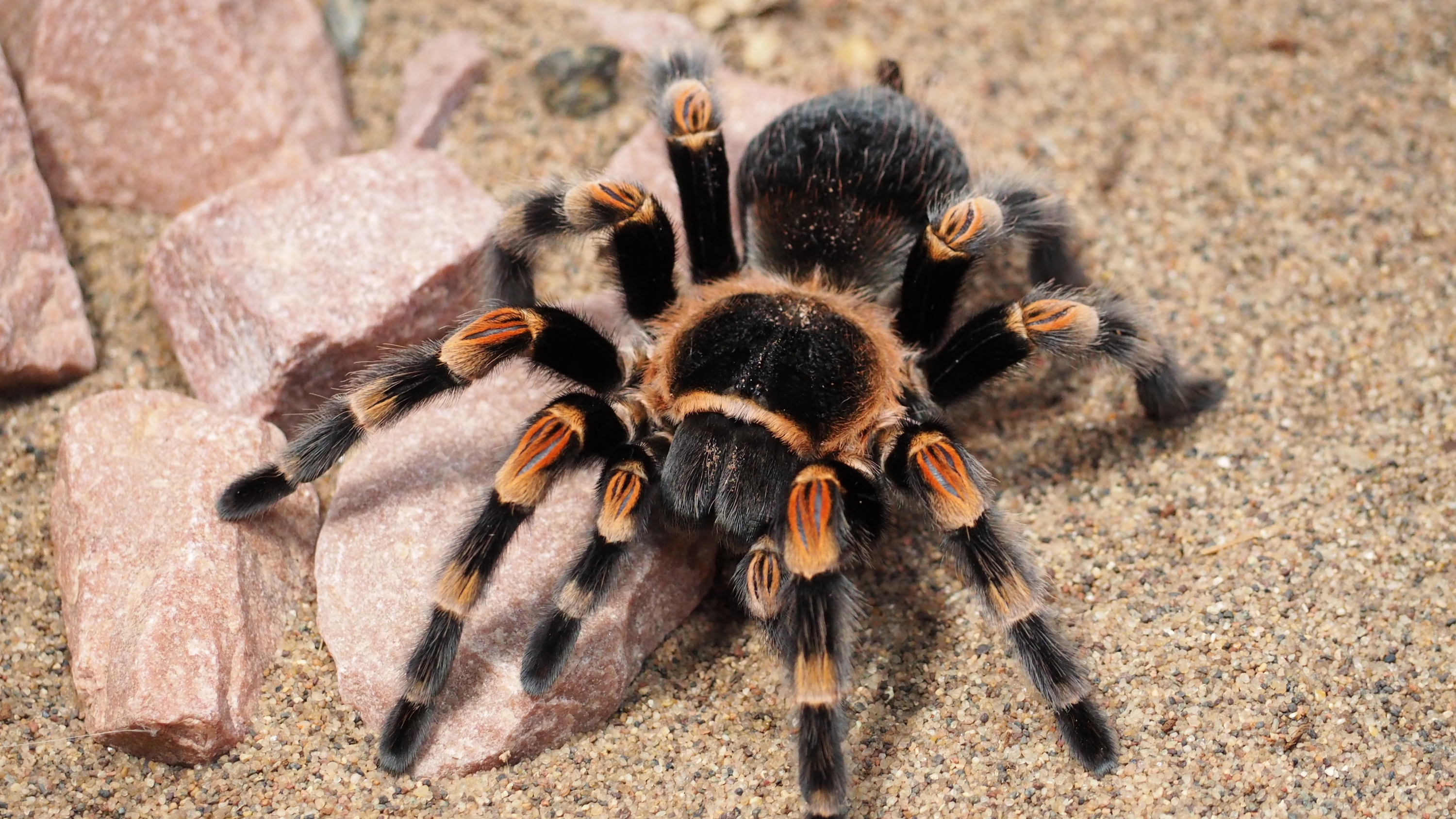
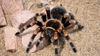
Mexican Red Knee Tarantula (Brachypelma hamorii) Caresheet and Bioactive Guide
The Mexican Red Knee Tarantula (Brachypelma hamorii) is a beginner-friendly species known for its striking appearance and docile nature. This guide covers how to set up an enclosure setups, temperature and humidity needs, feeding schedules, and handling precautions.
- Josh Halter

Asian Forest Scorpion Caresheet and Bioactive Guide
Asian Forest Scorpions (Heterometrus sp.) are a popular choice among scorpion keepers due to their large size, low venom potency, and hardy nature. Native to tropical regions of India, Malaysia, and Indonesia, these scorpions thrive in humid environments and prefer deep substrate for burrowing. This guide covers everything you need to know about their care, including ideal enclosure setups, heating and humidity requirements, substrate choices, and diet recommendations.
- Josh Halter

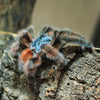
Antilles Pinktoe Tarantula Care Guide and Maintenance
The Caribena versicolor, also known as the Antilles or Martinique Pinktoe Tarantula, captivates keepers with its striking color transformations and docile nature. This guide covers everything you need to know about their care, from bioactive enclosure setup and humidity control to feeding habits and handling considerations.
- Josh Halter